
Table Games

Player, Banker, and Tie Bets in Baccarat: What to Choose

Baccarat does not ask bettors to make decisions about hitting, standing, splitting, or doubling down. Once wagering closes, the dealer follows fixed rules until the Player and Banker hands reach their final values.

The bettor’s choice happens before the cards are dealt. The three main options are Player, Banker, and Tie. Although these choices occupy similar spaces on the table, their payouts and long-term mathematical costs differ considerably.

Choosing a baccarat wager should not be based on which side won the previous hand. Scoreboards and road maps record past outcomes, but they do not guarantee that a streak will continue or reverse.

A more informed approach is to compare the standard payout, treatment of tied results, house edge, and any rules unique to the table. Commission-free games and specialty live baccarat products can change the settlement of certain outcomes.

This guide explains what to examine before choosing between the three main baccarat bets, while emphasizing that even the lowest-edge option remains a negative-expectation casino wager.

First Understand What You Are Betting On

“Player” and “Banker” identify two hands rather than the people sitting at the table. A bettor can freely wager on either side.

Each hand normally receives two cards. Further cards are dealt automatically according to baccarat’s drawing table, and the final total closest to nine wins.

Cards 2 through 9 keep their face values. Aces count as one, while tens and picture cards count as zero.

When a total exceeds nine, only the final digit is used. A hand containing 8 and 7 therefore has a baccarat value of five.

Choose Player for Simple Even-Money Settlement

The main attraction of a Player bet is simplicity. A standard win pays 1:1 without a commission.

A $40 winning wager earns $40 in profit. A loss costs the $40 stake, while a tied round normally returns the original wager.

The Player bet’s standard house edge is approximately 1.24% in an eight-deck commission game.

This makes Player a relatively low-edge casino wager, although it remains slightly less favourable than Banker. It may suit someone who values straightforward payouts and does not want to calculate commission after each win.

Choose Banker for the Lowest Standard House Edge

The Banker hand has a small advantage because its drawing decision occurs after the Player hand’s action is known. This causes Banker to win slightly more frequently.

To compensate, standard games usually deduct 5% from winning Banker profits. A $40 win commonly earns $38 after commission.

Even after this adjustment, Banker’s house edge remains approximately 1.06%, compared with about 1.24% for Player.

Banker is therefore the mathematically strongest of the three standard wagers. However, the advantage over Player is small, and short-term results can favour either hand.

Understand the Cost of Choosing Tie

Tie predicts that both hands will finish with an identical total. It commonly pays 8:1 because the result occurs far less frequently than either main-hand victory.

Official baccarat guides confirm that a tie returns Player and Banker wagers while paying the separate Tie bet at the listed odds.

In a standard eight-deck game, ties occur approximately 9.52% of the time. An 8:1 payout produces a house edge of around 14.36%.

Tie can deliver occasional large returns, but its higher mathematical cost makes it unsuitable as a lower-risk alternative. A large payout does not mean better value.

Check Whether the Game Charges Commission

Traditional baccarat commonly charges 5% on winning Banker bets. Some casinos record the commission after each round, while others collect it at intervals according to their procedures.

Commission-free games modify the settlement instead of simply giving Banker players a better deal. One common rule pays only 1:2 when Banker wins with a total of six.

EZ Baccarat uses another structure in which a particular three-card Banker result pushes. Its official California rules also include separate optional wagers.

Always open the paytable before choosing Banker. The familiar 1.06% house-edge figure applies to standard commission baccarat and should not automatically be used for every variation.

Do Not Use Scoreboards as Predictions

Baccarat scoreboards can display streaks, alternating outcomes, ties, pairs, and other historical patterns. They accurately describe previous rounds but cannot promise the next result.

A sequence of six Banker wins does not prove that Player is due. It also does not guarantee that the Banker streak will continue.

Changing wagers according to a pattern may create discipline, but it does not change the payouts or automatic drawing rules. Likewise, systems such as Martingale merely increase financial exposure after losses.

The safest interpretation of a scoreboard is as a game record. It should not be treated as a forecasting tool.

Compare Stakes, Speed, and Total Exposure

House edge is applied to the total amount wagered, not merely the initial deposit. Faster games can therefore generate more betting volume within the same period.

For example, placing $5 on 60 rounds creates $300 in total wagering. Playing 120 rounds at the same stake doubles the betting volume to $600, even if the account was funded only once.

A Banker wager may have the lowest percentage edge, but repeated betting can still produce substantial expected losses. Increasing the stake to recover an earlier result adds further risk.

Choose a base wager that allows the session to remain within a predetermined entertainment budget. A lower table minimum can sometimes matter more practically than a small difference between Player and Banker.

Read the Rules for Tie and Side Bets

Tie payouts vary. An 8:1 return creates a much larger house edge than a 9:1 return, so the displayed paytable matters.

Modern baccarat tables may also include Player Pair, Banker Pair, Perfect Pair, Dragon Bonus, or other side wagers. These are separate from the standard three choices and use their own probabilities.

Evolution’s baccarat portfolio, for example, includes games with additional Tie and Pair-related features, demonstrating how specialty tables can modify the betting menu.

Do not assume that a side bet is favourable because it offers a high multiplier. Check its exact trigger and published return before wagering.

Player offers a simple even-money payout and a standard house edge of approximately 1.24%. Banker usually charges a 5% commission but has the lowest standard edge at around 1.06%.

Tie commonly pays 8:1, yet its house edge can reach approximately 14.36%. It offers a larger possible return because the required result is considerably less frequent.

Before choosing, confirm whether the table uses commission, commission-free settlement, or specialty rules. Read the Tie payout and evaluate side bets separately.

Avoid following scoreboards as predictions and never increase stakes to recover losses. Select a fixed, affordable wager and use baccarat only as time-limited entertainment.

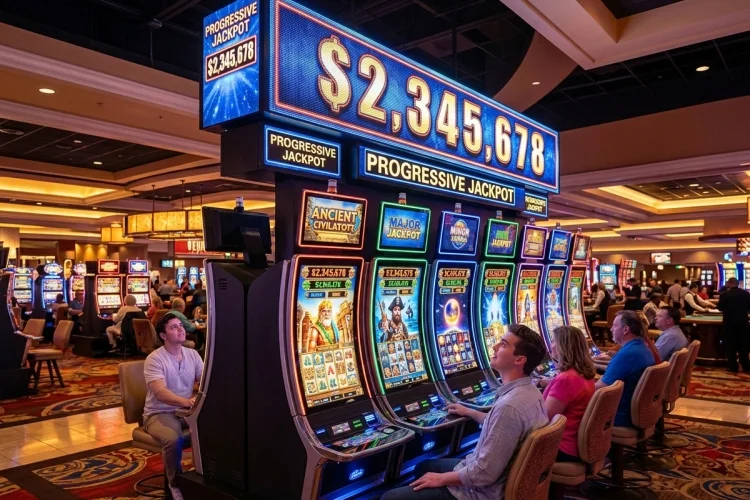
Table Games

European vs American Roulette Explained for Beginners

Roulette is often one of the easiest casino table games to recognise. Players place chips on a numbered layout, a wheel spins, and the winning pocket determines which wagers receive a payout.

The difficulty begins when a casino lobby offers several versions with similar names. European, American, French, live dealer, RNG, auto roulette, and multiplier variants can all appear beside one another.

For beginners, the most important comparison is European vs American roulette. European roulette uses a single-zero wheel, while American roulette includes both 0 and 00.

That extra pocket changes the probability of every conventional bet without improving the standard payouts. Understanding this difference helps players read a table correctly before placing chips.

It also reveals why choosing red or black is not a true coin flip and why previous outcomes cannot show which colour is “due.”

This guide explains the layout, bet categories, RTP, game formats, common myths, and basic bankroll planning in accessible terms.

How to Identify Each Roulette Version

Look at the green section of the wheel or betting layout. A European table displays only 0, while an American table includes both 0 and 00.

European roulette therefore has 37 numbered pockets. American roulette has 38. The regular numbers 1-36 remain identical in both versions.

Do not identify the variant from the dealer’s location or language. A studio based in Europe can offer an American wheel, while a North American casino can provide single-zero roulette. MGM properties, for example, list both regular and single-zero roulette among their table games.

The wheel and official rules provide more reliable information than the table’s visual theme.

Understanding Inside Bets

Inside wagers are placed within the main number grid. A straight-up bet covers one number, while a split covers two adjacent numbers.

A street covers three numbers in one row, a corner covers four touching numbers, and a six-line wager covers two adjoining rows. These bets provide higher payouts because they cover fewer possible outcomes.

A single number normally pays 35:1. That payout applies to 0 and 00 as well as numbers 1–36 on a standard American table.

European roulette offers a slightly better probability for every inside bet because the same number of selections is compared with 37 pockets rather than 38.

Understanding Outside Bets

Outside wagers cover larger groups. Red or black, odd or even, and 1-18 or 19-36 pay even money.

Dozens cover 1-12, 13-24, or 25-36. Columns cover one of the three vertical groups on the layout. Both normally pay 2:1.

Outside bets win more frequently than straight-up selections, but they produce smaller payouts. They are not automatically profitable or mathematically superior.

On zero or double zero, most outside bets lose. This is what creates the casino advantage even though the regular numbers contain equal amounts of red and black, odd and even, and low and high results.

Comparing House Edge and RTP

Standard European roulette has a house edge of approximately 2.70%, producing a theoretical RTP of about 97.30%.

Standard American roulette has a house edge of approximately 5.26%, giving a theoretical RTP of about 94.74%.

RTP represents the expected percentage returned across extensive play, not the amount one person is guaranteed to receive. The UK Gambling Commission and GLI describe RTP as a long-term measure rather than a session-level promise.

For example, a player can win quickly at an American table or lose immediately at a European one. The lower edge becomes meaningful over repeated wagering, but it does not control a short sequence.

Live Dealer and RNG Roulette

Live dealer roulette uses a physical wheel in a studio or casino environment. A trained dealer announces betting periods, spins the wheel, and settles the result through an integrated system.

GLI describes live dealer gaming as real-time play broadcast from a secure physical studio. Evolution also offers standard European, French, auto, and specialty live roulette tables.

RNG roulette replaces the physical spin with software-based outcome generation. Independent testing can assess whether the random number generator is unpredictable and unbiased.

Neither format automatically has a better RTP. The wheel configuration and paytable determine the mathematical edge.

Be Careful With Specialty Roulette Games

A game containing the word “European” may add multipliers, bonus rounds, jackpots, or modified straight-up payouts. Those features can change the usual mathematics.

Evolution’s Lightning Roulette, for example, uses random multipliers but pays non-multiplied straight-up bets at 29:1 rather than the standard 35:1. Other conventional bets retain standard returns.

Such games should not be evaluated only by counting zero pockets. Open the information panel and check the exact RTP, payout schedule, and conditions attached to the special feature.

A standard single-zero table is easier to compare because its rules are more predictable.

Common Roulette Myths

A sequence of black results does not make red more likely on the next independent spin. The wheel does not need to “balance” its recent history.

Similarly, frequently selected numbers are not automatically more likely to win. Betting on birthdays, wheel sectors, or previous results changes the chosen coverage but not the random mechanism.

No progression system removes the house edge. Doubling after a loss changes the financial exposure, not the number of zero pockets.

Regulated RNG outcomes are expected to be unpredictable and free from adaptive behaviour designed to compensate players or the operator.

Planning a Roulette Budget

Start by selecting a maximum entertainment amount. Then choose a base wager small enough to allow several rounds without requiring another deposit.

For example, a $40 budget with $1 wagers allows up to 40 spins before accounting for any returns. A $10 base bet exposes the same budget in only four rounds.

European roulette reduces the expected cost per dollar wagered, but playing more rounds can still increase total expected loss. A lower house edge is not permission to ignore spending limits.

Avoid borrowing, chasing losses, or increasing stakes because a colour appears overdue. Stop when the financial or time limit is reached.

European roulette contains 37 pockets and one zero. American roulette uses 38 pockets by adding 00, increasing its standard house edge from approximately 2.70% to 5.26%.

Both versions use familiar inside and outside wagers, and their conventional payouts are generally the same. The American wheel is less favourable because players face one additional losing outcome without receiving higher standard rewards.

Beginners should identify the wheel, inspect the paytable, and avoid confusing specialty multiplier games with classic roulette. When comparable tables are available, single-zero European roulette offers better theoretical value.

Set an affordable base stake, treat every spin as independent, and use roulette only as limited entertainment rather than a method for earning money.

Online Slots

What Are Progressive Jackpot Slots? A Complete Beginner’s Guide

A standard slot usually offers prizes with values defined in its paytable. A progressive slot adds something different: a jackpot whose displayed value can increase over time until an eligible player wins it.

This growing prize is what makes progressive jackpot slots easy to recognize. Their jackpot meters may show amounts far larger than the maximum prizes offered by ordinary slot games.

However, the eye-catching total tells only part of the story. Players must also understand how the prize is funded, which bets qualify, what triggers the jackpot, and how the amount resets after a win.

These details can vary significantly between games. Progressive jackpots are generally associated with infrequent, potentially large awards and high volatility.

They should therefore be treated as entertainment rather than a reliable opportunity to make money. Knowing how the system works will not predict the next winner, but it can help players understand the risks, rules, and true cost of participation.

What Is a Progressive Jackpot Slot?

A progressive jackpot slot is a game connected to a prize pool whose value can increase as qualifying wagers are made.

A configured portion of eligible play may contribute to the growing amount, depending on the game’s mathematical design.

The jackpot normally begins at a predetermined starting or reset value. It rises until the required event occurs, after which the prize is awarded and the meter returns to its stated reset amount.

Regulated-game rules should explain how the jackpot is funded, its starting value, any maximum ceiling, and what happens after a payout. The current meter should also be updated as frequently as practical.

How Does the Jackpot Increase?

Suppose a jackpot begins at $100,000. As eligible players place wagers, the system may direct part of the mathematical return toward the progressive pool.

The amount added from one spin may be extremely small. However, thousands of qualifying wagers across a connected network can cause the meter to rise steadily.

Not every contribution necessarily appears directly on the visible meter. Some systems may use reserve or diversion pools to help fund the next reset value, cover simultaneous wins, or manage jackpot overflow.

Applicable rules should explain how contributions are treated when a jackpot reaches a ceiling.

The Main Types of Progressive Jackpots

1. Standalone Progressives

A standalone jackpot is connected to one game or gaming device. Because it receives activity from a limited source, its meter may grow more slowly than a large networked prize.

2. Local or Linked Progressives

A linked jackpot combines qualifying play from several games within one casino, website, or controlled group. Multiple titles may share the same prize pool.

3. Wide-Area Progressives

A wide-area progressive connects games across multiple participating venues or platforms. GLI defines a multi-site or wide-area progressive as a linked jackpot interconnected between multiple gaming venues

IGT’s wide-area portfolio provides a commercial example of games connected to major shared prizes.

How Can a Progressive Jackpot Be Triggered?

The winning mechanism depends entirely on the rules. Some games require a specific symbol combination, while others award access through a bonus wheel, pick feature, or special jackpot round.

A mystery jackpot works differently. It may be triggered randomly during an eligible play or when the meter reaches a hidden threshold selected by the system.

Gaming Laboratories International states that mystery-triggered jackpots can use random events or randomly selected hidden trigger thresholds.

The RNG and each relevant implementation should be evaluated according to applicable regulatory requirements.

Players should never assume that a full reel of jackpot symbols is required. The game’s help page is the only reliable source for its trigger conditions.

Do You Need to Place the Maximum Bet?

Some progressive slots make the jackpot available at every stake. Others require a minimum wager, particular coin setting, selected side bet, or specific number of active lines.

For example, IGT describes certain mystery progressives as awarding jackpots randomly on qualifying games, with optional required minimum bets applying to particular prize levels.

This illustrates why eligibility must be checked game by game. Increasing the wager should not be assumed to guarantee eligibility or substantially improve the chance of winning.

Regulations in Great Britain state that where players contribute to a pool, eligibility and winning chances should relate fairly to the contribution.

Progressive Jackpots, RTP, and Volatility

RTP is the theoretical percentage of stakes a game is designed to return over extensive play. A progressive slot may display one combined RTP or separate percentages for the base game and jackpot component.

UK technical standards require the available jackpot rules to explain the RTP presentation. They must also identify when a player is ineligible for the progressive award and show the relevant theoretical return.

Progressive jackpots tend to be infrequent and large, giving them high-volatility characteristics. The UK Gambling Commission therefore recommends monitoring the base game and jackpot component separately in certain performance assessments.

A high jackpot meter does not mean a payout is “due.” Random games do not become more likely to award a prize simply because the previous spins lost.

What Happens After Someone Wins?

Once a valid jackpot is triggered, the operator or system verifies the result and awards the stated prize according to the rules. The meter then usually resets to its seed or reset value.

The rules should explain how simultaneous or apparently simultaneous claims are handled, including situations affected by network latency. Eligible players should also be notified when the jackpot has been won and reset.

Payment procedures may depend on the operator, provider, prize size, and jurisdiction. Players should read the payout conditions instead of assuming every jackpot is handled in the same way.

Progressive jackpot slots feature prizes that increase from a starting value until an eligible player triggers the award. They may operate as standalone games, local linked systems, wide-area networks, or multi-level jackpots with several prize tiers.

The growing meter is only one factor to examine. Players should also check the trigger mechanism, minimum qualifying wager, RTP, volatility, reset value, and payment conditions.

Before spinning, open the official paytable and confirm that your chosen stake is eligible. Set a strict entertainment budget and never raise a wager because the jackpot appears close to being won.

Progressive prizes can be large, but the outcome remains uncertain and the entire stake can be lost.

Online Slots

Paylines vs Ways-to-Win Slots Explained Before You Play

Choosing between a payline slot and a ways-to-win game is not simply a question of selecting the format with the largest number.

The number describes how winning symbols can connect, but it does not reveal the whole game model. A 20-payline slot may provide straightforward patterns that are easy to trace.

A 243-way title can pay matching symbols across different rows, while a Megaways game may change its reel layout on every spin. Each system creates a different visual and mathematical experience.

This paylines vs ways-to-win slots explained article focuses on what players should examine before placing a wager.

Rather than treating one mechanic as automatically better, it explains how to read the paytable, identify winning directions, understand the total bet, and separate reel structure from RTP and volatility.

The objective is informed entertainment. Random slot outcomes cannot be predicted from previous spins, and a larger number of possible routes does not remove the casino’s mathematical advantage.

Identify the Game’s Winning System

Open the information menu and look for terms such as fixed paylines, adjustable lines, all ways, adjacent pays, cluster pays, or Megaways. These labels describe different methods of evaluating the final reel arrangement.

In a payline game, matching symbols must normally occupy positions connected by an active pattern. In an all-ways game, their row positions are usually irrelevant as long as they appear on the required adjacent reels.

Do not rely entirely on animations. A slot may draw coloured lines after a win even though its underlying system is based on ways rather than conventional paylines.

Regulated game descriptions should give customers sufficient information about rules, payouts, and winning likelihood before they gamble.

Check Where a Winning Combination Must Begin

Many slots require standard symbol combinations to start on the leftmost reel. Matching symbols then continue through adjacent reels without a gap.

Other games may pay from either direction, while scatter symbols can often award prizes anywhere on the grid. Some bonus icons must appear on particular reels despite not following normal payline rules.

A ways-based format does not automatically mean that matching symbols can appear anywhere. If reels one and two contain a symbol but reel three does not, an identical symbol on reels four and five may not connect with the earlier group.

The exact starting position and direction should always come from the game rules.

Review Fixed and Selectable Paylines

A fixed-line game evaluates every listed pattern on each spin. The player usually selects a total wager, and the software distributes or applies it according to the game’s design.

Selectable-line slots allow some patterns to be switched off. Reducing active lines can lower the total cost, but it also means a symbol sequence on an inactive line will generally not generate a prize.

For example, betting $0.02 on each of 30 active lines costs $0.60 per spin. Activating only 10 lines costs $0.20, assuming the per-line wager remains unchanged.

Before using an adjustable game, check both the line stake and total bet. This avoids mistaking a small denomination for the complete price of one spin.

Understand the Advertised Ways Figure

In a five-reel game showing three symbols per reel, multiplying the positions produces 243 full-length routes. A five-reel game with four visible positions produces 1,024.

The count is based on possible position combinations, not the number of different prize outcomes. It also does not mean the player receives hundreds of independent spins at once.

Several matching symbols on a reel can increase the number of simultaneous winning combinations. This feature often makes ways-based wins appear more complex than line-based awards.

Official game descriptions show that real slots use many configurations. IGT offers titles with 243 ways, Evolution lists 1,024-way slots, and expanding formats can increase the count during a feature.

Examine Dynamic Reel Mechanics

A fixed-ways slot maintains the same grid size on every base-game spin. Dynamic formats vary the number of symbol positions, so the available ways can change from one result to the next.

Megaways is the best-known example. Its reels can display different numbers of symbols, producing thousands of possible routes and a stated maximum that may reach 117,649.

Evolution’s description of Big Time Gaming notes that Megaways uses changing symbol heights of between two and seven positions per reel.

The maximum figure may appear only when every reel reaches its greatest height. Players should not assume that every spin is evaluated with the advertised maximum number.

Compare RTP and Volatility Separately

The winning system is only one part of the slot’s mathematics. RTP and volatility provide different information and should be checked separately.

RTP describes the theoretical long-term percentage returned as prizes. A slot designed with 96% RTP does not promise to return $96 from every $100 deposited or wagered by one player.

The UK Gambling Commission defines RTP as an average achieved over a significant amount of play. Normal variation means an individual session can finish far above or below that percentage.

Volatility concerns how prizes are distributed. Two 243-way games with similar RTPs can deliver very different experiences if one emphasizes frequent smaller prizes and the other concentrates value in rarer features.

Inspect Wilds, Scatters, and Bonus Rules

Wild symbols can substitute for regular icons, potentially creating several line or ways combinations. Expanding and stacked wilds may influence many reel positions simultaneously.

Scatters commonly follow separate rules and may pay regardless of paylines or adjacent-reel sequences. They can also trigger free spins when a required number appears.

Bonus rounds may use a different grid, extra reels, multipliers, cascading symbols, or an increased number of ways. The rules applying during the feature may therefore differ from those in the base game.

Gaming standards expect the rules relevant to a game state or bonus feature to be made clear to the player.

Choose Based on Clarity, Not Hype

A payline game may be preferable when the player wants simple, visible winning patterns. Ways-based slots may appeal to those who enjoy broader reel layouts and multiple simultaneous combinations.

Neither choice provides a reliable strategy for beating the game. A large ways figure is often a design and marketing feature rather than evidence of better financial value.

Use free-play mode where legally available to learn the controls, but remember that demo games should follow the same likelihood of winning as real-money versions in regulated markets.

The final decision should consider understandable rules, affordable stakes, RTP, volatility, and personal entertainment preferences.

Payline slots award combinations along predetermined patterns, while ways-to-win games normally connect matching symbols across adjacent reels regardless of row.

Dynamic systems can vary the reel height and number of available routes on every spin. Before choosing either format, read the winning direction, minimum symbol requirement, total wager, RTP, volatility, and bonus rules.

Do not interpret 243, 1,024, or 117,649 ways as a promise of frequent or profitable results. Select games whose rules you can understand and whose minimum stake fits your budget.

Establish a time and spending limit before starting, stop when either limit is reached, and treat every slot as paid entertainment rather than a source of income.

Payments

How Casino Withdrawals Work Across Different Payment Methods

Choosing a deposit method is easy to treat as a decision about speed and convenience. However, the same choice can influence how money is withdrawn later.

Not every funding option accepts incoming payouts, and different methods use different banks, networks, verification rules, and transfer schedules.

Understanding how casino withdrawals work across payment methods helps players plan the entire transaction journey.

A debit-card payout may use supported card-transfer infrastructure, while a bank withdrawal requires accurate account information.

An e-wallet transfer may arrive quickly in the wallet but still require another transaction before reaching a bank account.

The casino remains responsible for reviewing and approving the request before its payment partner sends the money. Consequently, a fast payout service cannot compensate for a slow internal approval process.

Players should compare withdrawal availability, fees, limits, currencies, and verification conditions before making their first deposit.

They should also ensure that the casino is licensed to operate in their location and that every financial account used belongs to them.

Withdrawals to Debit Cards

Some casinos can return money to an eligible debit card. Instead of charging the card as they would for a deposit, the payment system pushes funds toward the associated account.

Availability depends on the card, issuer, operator, country, and payment program. A casino displaying a card brand for deposits does not guarantee that the same card can receive payouts.

Visa Direct and Mastercard Move both support money movement to multiple types of endpoints, including eligible cards, accounts, and digital wallets. Actual casino availability and delivery speed depend on the participating service providers.

An expired, replaced, or unsupported card may require an alternative payout arrangement and additional verification.

Bank-Transfer Withdrawals

Bank transfers are widely used when the customer provides an account number and other required banking details. Domestic transfers may be simpler, while international payouts can involve intermediary institutions and currency conversion.

Entering incorrect information can cause rejection, delay, or a return of the funds to the casino. Players should copy bank details carefully and confirm that the account accepts the selected currency.

Traditional bank rails may require several days in some markets, particularly when transfers are processed in batches.

The casino’s stated processing period normally occurs before the banking period begins. A payment approved today may therefore arrive later, even though it already shows as processed in the casino account.

E-Wallet Withdrawals

An e-wallet can receive money into a separate digital balance. The player may then spend the funds through that service or transfer them to a linked bank account.

This can make e-wallet withdrawals convenient, but two transaction stages may be involved: casino to wallet, followed by wallet to bank. Each stage can have its own limits, fees, and processing period.

Timing also varies by market. PayPal’s official help pages, for example, publish different bank-transfer estimates and fee arrangements across countries, demonstrating why users should consult the terms applicable to their own accounts.

The wallet and casino accounts should generally use matching customer information.

Prepaid and Deposit-Only Methods

Prepaid vouchers and similar products may help players control deposit spending, but many cannot receive withdrawals. Their function ends once the code or stored value has been used.

When a deposit-only method is selected, the casino may ask the player to nominate a bank account or e-wallet for payouts. This often requires proof that the customer controls the alternative destination.

The operator should explain this limitation before the deposit is made. Players should not assume that winnings can be returned as a new voucher.

Using a prepaid method also does not remove normal identity and account-verification requirements.

Why the Original Method Is Often Preferred

Returning funds through the original payment route can help reduce fraud and prevent a casino account from being used to transfer money between unrelated financial accounts.

Suppose a player deposits through one card and requests a payout to another person’s bank account. The operator may pause the transaction because the destination cannot be connected clearly to the verified customer.

The casino may also need to refund deposited amounts to the original method before sending remaining winnings elsewhere. Procedures vary, so the payment policy should explain the order used.

Players should never use a payment method without the account holder’s permission or attempt to bypass ownership checks.

Fees, Limits, and Currency Conversion

Withdrawal costs can arise from the casino, receiving institution, e-wallet, intermediary bank, or currency conversion. A “free withdrawal” claim may refer only to the operator’s own charge.

Review the minimum payout, daily or monthly maximum, number of free transactions, and fee for smaller withdrawals. Also check whether a large balance must be paid in instalments.

In Great Britain, customers are entitled to withdraw their deposit funds and related winnings without an arbitrary maximum withdrawal restriction. Any permitted processing charge must reflect the direct cost and be disclosed before deposit.

Rules vary internationally, making local licensing terms important.

Verification and Payment Security

A payout request may prompt checks of identity, payment ownership, or transaction activity. These reviews should follow a clear process and should not be used merely as an excuse to postpone payment.

UK guidance says operators cannot demand age and identity proof solely as a withdrawal condition when they could reasonably have requested it earlier. New information may still be required when a later legal or financial risk emerges.

Submit documents through the casino’s official secure portal. Hide unrelated information only when the operator confirms that redaction is permitted.

Never disclose complete passwords, wallet recovery phrases, or one-time banking codes.

Escalating a Payment Dispute

When a payout does not arrive, determine whether it remains with the operator or has been sent to the payment provider. Ask for a payment reference that the receiving institution can trace.

If the casino has not resolved the matter, use its formal complaint procedure. Include the account details, amount, request date, status history, and relevant correspondence.

Customers dealing with UK-licensed operators must generally complain to the business first. Certain unresolved transaction disputes can then proceed to independent ADR, while the Gambling Commission does not recover individual balances directly.

The Malta Gaming Authority similarly recommends contacting the licensed operator before lodging a complaint through its formal player channel.

Card payouts, bank transfers, and e-wallet withdrawals move through different financial systems. Each option can have distinct eligibility rules, fees, limits, currencies, and delivery periods, while prepaid methods may not support withdrawals at all.

Before depositing, identify which payout routes are available and whether the original method can receive money.

Confirm that all payment accounts use your own verified details and review the operator’s internal processing period separately from external transfer time.

Keep transaction references and escalate unresolved issues through official complaint channels. Above all, submit withdrawals according to a predetermined budget and avoid reversing them to continue playing.

Gambling funds should remain limited to money you can comfortably afford to lose.

Payments

How Online Casino Deposits Work Safely and Responsibly

A successful deposit does not prove that an online casino is safe.

Unauthorized websites can accept payments just as quickly as regulated operators, while an impressive cashier can still hide restrictive bonus terms, unclear fees, or poor customer protection.

Understanding how online casino deposits work safely begins before entering payment details.

The player should verify the casino’s legal identity, read its financial policies, select a payment method in their own name, and decide how much they can afford to lose.

Regulated operators may also perform age, identity, fraud, and financial checks. These controls can make the deposit process feel less immediate, but they help prevent underage gambling, identity theft, payment misuse, and other illegal activity.

A responsible deposit should be planned rather than emotional. It should come from disposable entertainment money, remain within a predetermined limit, and never be used to chase previous losses.

Knowing the warning signs and basic troubleshooting steps can help customers avoid unnecessary financial and account problems.

Verify the Casino Before Paying

Start by identifying the legal company operating the website. The footer or terms should provide a company name, licence number, regulator, and registered domain.

Confirm those details through the regulator’s official database. Do not rely on a licence logo because images and seals can be copied.

The exact domain matters. A legitimate company may operate several approved brands, but a similarly named website may not be included within its authorization.

The deposit should not proceed when the legal operator cannot be identified or the domain differs from the regulator’s record.

Review the Cashier Conditions

Before selecting a method, check the minimum deposit, maximum transaction, available currency, fees, and expected processing procedure. Also inspect the withdrawal page because the original funding method may affect future payouts.

The casino should explain whether identity verification is required before the first payment. In Great Britain, age and identity must be verified before an online customer is permitted to gamble.

Players should also search the terms for inactivity charges, currency-conversion rules, payment-method exclusions, and limits on account balances.

Essential conditions should remain accessible before registration and deposit.

Use a Payment Method You Control

The payment account should generally belong to the registered casino customer. Using another person’s card, bank account, or wallet can trigger fraud concerns, failed verification, or account restrictions.

The details entered in the cashier should match the payment provider’s records. Small differences in names or addresses can sometimes require additional review.

Never send payment credentials, one-time security codes, or wallet passwords to a casino employee. Legitimate support teams should not need a customer’s complete password or confidential bank-authentication code.

Avoid depositing through links received in unsolicited emails, direct messages, or messaging applications.

Understand Payment Security

Card transactions pass through multiple entities, potentially including a gateway, processor, acquiring institution, card network, and issuing bank. The issuer evaluates the authorization request before approving or declining it.

PCI DSS establishes baseline technical and operational requirements for protecting payment account data. It is designed for entities that process, store, or transmit relevant card information.

Players should use strong account passwords and two-factor authentication where available. It is also wise to avoid saving payment details on a shared device.

Bank and casino transaction alerts can help customers notice unexpected payments promptly.

Read Bonus Rules Before Depositing

A deposit bonus can change how money is recorded and withdrawn. The casino may divide the account into deposit funds, bonus credit, and bonus-related winnings.

Review the wagering multiplier, qualifying games, contribution rates, expiry period, maximum stake, and rules for cancelling the promotion. Calculate the actual wagering target before accepting.

A $50 bonus with a 40x bonus-only requirement creates $2,000 in qualifying wagers. If the requirement applies to the deposit and bonus together, the total can be higher.

Customers should avoid promotions whose main restrictions are missing, contradictory, or difficult to locate.

Set a Financial Limit First

A deposit limit is most effective when chosen before gambling begins. It sets a maximum amount that can be added during a specified period and creates a stopping point outside the emotions of gameplay.

Since October 31, 2025, Great Britain’s licensed online operators have had to prompt customers to set a financial limit before their first deposit.

A standardized gross-deposit-limit requirement is scheduled to take effect on September 30, 2026 following an implementation extension.

Other jurisdictions may use different rules. Regardless of legal requirements, a player can create a personal weekly or monthly budget.

The limit should exclude rent, food, debt repayments, savings, and emergency funds.

Why a Deposit May Be Declined

A declined transaction does not always indicate a casino problem. Possible reasons include insufficient funds, incorrect payment information, bank security controls, geographical restrictions, or an exceeded transaction limit.

The customer should not submit the same payment repeatedly without understanding the cause. Multiple attempts may create temporary authorizations or trigger additional risk checks.

First confirm whether money left the payment account. Next, check the casino transaction history and any message supplied by the payment provider.

Contact both the operator and financial institution when the status remains unclear, providing the amount, date, method, and transaction reference without sharing confidential passwords.

Handling a Missing Deposit

A payment may appear as pending when authorization has occurred but the final processing status has not been confirmed. In payment systems, authorization and capture can be separate stages rather than one action.

Take a screenshot of the cashier status and save the payment confirmation. Support may ask for a transaction identifier, but sensitive card details should be hidden except where a secure verification process specifically requires them.

Do not place another deposit simply because the first one has not appeared. This can result in two successful transactions after the delay is resolved.

A reliable operator should provide a case reference and explain what evidence is needed.

Safe online casino depositing involves much more than choosing a payment logo.

Players should verify the operator, read cashier conditions, use a payment method they control, protect their account, calculate bonus obligations, and establish a strict financial limit.

When a transaction fails or remains pending, check both the casino history and payment account before trying again. Keep receipts and communicate through official support channels.

Only deposit where online gambling is legal and the operator’s licence can be independently confirmed. Use money reserved for entertainment, never borrow to fund an account, and do not add another deposit to recover a loss.

When spending becomes difficult to control, stop immediately and use the operator’s time-out or self-exclusion tools.

Casino Reviews

What Makes an Online Casino Trustworthy? A Player-First Test

Trust is not created by a single licence badge or a five-star rating. It develops when an online casino consistently gives players clear information, respects their decisions, protects their balances, and provides practical solutions when something goes wrong.

A player-first approach to what makes an online casino trustworthy examines the complete customer journey.

It starts with registration and identity checks, continues through game selection and payments, and includes account limits, withdrawals, complaints, and closure.

This method is useful because some operators may satisfy basic licensing requirements while still delivering a confusing or frustrating experience.

Conversely, an attractive interface cannot compensate for hidden bonus rules, weak customer support, or unclear payment procedures.

A dependable casino should let customers understand the financial consequences of their choices before they act. It should not create unnecessary obstacles when they want to withdraw, lower a limit, take a break, or close an account.

Trustworthy operation is therefore measured through both legal compliance and everyday treatment of players.

The Casino Makes Verification Easy

A legitimate operator should clearly display its legal identity and authorisation. Players should not have to search through multiple pages to discover which company holds their money.

The regulator, licence number, registered business name, and approved domain should match an official record.

The UK Gambling Commission publishes registers of licensed businesses and recent regulatory actions, while the MGA provides searchable licence and enforcement databases.

This verification should be completed before registration. A familiar brand name does not prove that the exact website is authorised, especially when similar or copied domains exist.

Clear ownership also makes it easier to understand which company is responsible for payments, privacy, and complaints.

Financial Information Is Visible

Trustworthy casinos make deposit and withdrawal information available before a customer transfers money. The cashier and terms should identify transaction limits, currencies, fees, expected processing periods, and method restrictions.

The balance display should distinguish deposited money from promotional credit. Players should also be able to access a record of transactions, wagers, and withdrawals.

In Great Britain, licensed operators must disclose how customer funds would be treated if the business became insolvent. Operators with a “not protected” rating must provide continuing reminders, not merely a one-time statement hidden in the terms.

Clear financial information helps players avoid leaving more money in an account than necessary.

Games Explain Their Rules

A trustworthy platform gives players enough information to understand how each game works. This includes betting options, winning combinations, paytables, bonus mechanics, RTP figures where applicable, and jackpot conditions.

The UK remote technical standards require appropriate information about game rules, prizes, and the likelihood of winning. The same framework includes standards for random outcome generation and play-for-free versions.

RTP should always be described as a theoretical long-term percentage. It cannot predict the result of one session or guarantee that a player will recover a particular amount.

Provider names should also be visible. Missing supplier details or games that imitate familiar titles without clear ownership should be treated cautiously.

Promotions Respect Informed Choice

A player-first casino does not make a bonus easy to accept but difficult to understand. The major conditions should appear close to the promotional claim.

Important details include wagering requirements, game contribution, maximum qualifying stake, expiry period, restricted payment methods, and withdrawal limitations. Any significant restriction should be explained in plain language.

UK guidance requires operators to make promotional conditions accessible and prohibits unfair contractual practices. The Commission also states that operators should not reserve a broad right to change promotion terms after a customer has already joined the offer.

A modest promotion with understandable rules may be more trustworthy than an unusually large offer built around restrictive conditions.

Player Controls Work Properly

Responsible gambling tools should be functional and easy to find. They should not require a customer to negotiate with a marketing or retention team.

Important controls include deposit limits, time-outs, reality checks, account histories, self-exclusion, and straightforward account closure.

Players should be able to reduce financial limits promptly, while requests to increase them may appropriately involve a delay.

Since June 30, 2026, UK-regulated online operators must offer a deposit limit defined by the amount a customer pays into the account over a selected period. Additional controls such as loss limits may also be offered.

Self-exclusion provides a formal mechanism for someone who needs support to stop gambling. The business must take reasonable steps to prevent participation during the exclusion period.

Withdrawals Are Not Used for Retention

A player’s decision to withdraw should be respected. Casinos should not pressure customers to cancel withdrawals, accept additional bonuses, or continue gambling.

Verification checks may be legitimate, especially when required by identity, anti-fraud, or financial-crime obligations. However, the operator should explain what information is needed and avoid repeatedly requesting documents without a clear reason.

The UK Gambling Commission has stated that consumers should generally be able to withdraw their deposit balance at any time, except where broader regulatory obligations require restrictions.

A trustworthy operator also distinguishes its internal approval time from delays caused by banks, cards, or digital payment services.

Support Provides Accountable Answers

Good customer support does not simply use friendly language. Its answers should be accurate, specific, and consistent with the casino’s written policies.

Test support with a question that has a verifiable answer. Ask about deposit-limit changes, document requirements, withdrawal methods, or the formal complaints process.

The casino should publish a structured complaint route. UK guidance tells customers to complain directly to the operator first, while certain unresolved disputes may later proceed to ADR.

Trust increases when the company acknowledges mistakes, provides reference numbers, and explains the next step rather than repeatedly transferring the customer between agents.

Reputation Is Checked Against Evidence

Online reviews can identify recurring themes, but they may also reflect personal frustration, promotional incentives, or incomplete information. Use them as one source rather than final proof.

Search for consistent patterns involving delayed withdrawals, confiscated balances, inaccessible support, or misleading promotions. Then compare those claims with regulator announcements and enforcement records.

The UK Gambling Commission keeps regulatory actions in its public register, while the MGA publishes enforcement measures taken under Maltese gaming law.

A company’s response to a problem may reveal more than the absence of complaints. Trustworthy operators correct faults, communicate changes, and compensate customers when appropriate.

A player-first casino earns trust through consistent behaviour. It verifies its legal identity, explains financial rules, uses tested games, presents promotions honestly, provides effective safety tools, respects withdrawals, and offers accountable support.

Players should test these qualities before committing significant money. Confirm the domain in an official licence register, read the payment and bonus conditions, and contact support with a specific question.

Leave the platform when important answers remain unclear. Even a properly regulated casino involves financial risk.

Use deposit limits, keep gambling separate from household money, and stop when play is no longer enjoyable. Choose platforms for transparent entertainment – not because they promise easy profits or a guaranteed way to recover losses.

Casino Reviews

How to Review an Online Casino Properly: A Complete Guide

A useful online casino review should do more than describe a colourful website or repeat a welcome offer.

Readers need evidence that the operator is legally authorised, protects customer information, publishes understandable conditions, processes payments fairly, and provides meaningful player safeguards.

Learning how to review an online casino properly begins with separating verified facts from marketing. A reviewer should consult official registers, examine important policies, test selected features where lawful, and explain both strengths and limitations.

The casino operator must also be distinguished from game developers, payment companies, and affiliate partners.

No credible review can promise that players will win. Casino games involve financial risk, while RTP represents theoretical long-term performance rather than a guaranteed personal result.

The purpose of a professional assessment is to measure safety, transparency, usability, and overall value.

Using the same criteria for every operator also makes comparisons more consistent and trustworthy. It helps readers compare competing platforms objectively.

Verify the Licence and Legal Company

Find the operator’s legal name, licence number, regulator, and registered domain. Do not accept a licence logo in the website footer as proof; confirm the information through the regulator’s official database.

The UK Gambling Commission and Malta Gaming Authority both provide searchable registers. MGA records can be checked by company name, authorisation status, URL, or gaming service.

Check whether the exact website is covered by the authorisation. It is also important to search the regulator’s website for suspensions, cancellations, warnings, or other enforcement action.

Examine Security and Verification

Review the encrypted connection, privacy notice, password controls, and identity-verification policy. Explain which documents may be requested and whether the casino states how personal data is submitted and protected.

Where account testing is legal, use genuine information and never attempt to bypass security measures. Reviewers should not upload altered documents or provide details belonging to another person.

Also check for two-factor authentication, login alerts, active-session management, and clear procedures for closing or restricting an account. These features can improve account security, although their availability differs between operators.

Calculate the Real Bonus Conditions

A headline promotion has little meaning without its conditions. Examine the minimum deposit, wagering requirement, game contribution, expiry period, maximum qualifying stake, excluded payment methods, and withdrawal restrictions.

UK Gambling Commission guidance requires licensed operators to treat customers fairly and maintain transparent terms and practices.

Translate wagering multipliers into monetary examples. If a promotion creates a total wagering target of $2,000, state that figure clearly instead of showing only “20x wagering.”

This approach helps readers understand the actual commitment. A smaller promotion with simple conditions may be more practical than a large bonus with restrictive rules.

Test Payments and Withdrawals

Do not merely list banking logos. Compare deposit limits, withdrawal thresholds, currencies, operator fees, estimated processing periods, and verification requirements.

A small and affordable transaction can be used to test the cashier when real-money testing is legal. Record the time from withdrawal request to approval and final receipt, while noting that banks and payment providers may add delays.

Withdrawal disputes should normally be raised through the operator’s complaint process first. Eligible unresolved cases may later be referred to an independent alternative dispute resolution provider.

Assess Games and Mobile Performance

Evaluate variety rather than catalogue size alone. Check slots, table games, live dealer rooms, jackpots, betting ranges, software suppliers, and regional availability.

Open several games on desktop and mobile devices. Review loading speed, controls, paytables, rules, sound settings, and access to RTP information.

UK technical standards aim to provide customers with enough information about how games operate, the available prizes, and the likelihood of winning.

Mention regional restrictions because game catalogues can vary by country, licence, device, or local regulations.

Evaluate Support and Complaints

Contact at least one advertised support channel with a specific question. Record its operating hours, response time, language quality, accuracy, and whether the agent directs you to a relevant written policy.

A proper review should identify the formal complaint procedure and any available independent dispute service.

The Malta Gaming Authority recommends trying to resolve a problem directly with the operator before lodging a formal regulatory complaint.

Avoid treating one unusually positive or negative conversation as conclusive. Clearly state the date, channel, and scope of the test.

Check Responsible Gambling Tools

Look for deposit limits, time-outs, reality checks, account history, self-exclusion, and links to independent support organisations. These controls should be easy to locate rather than hidden beneath promotional pages.

GamCare describes self-exclusion as asking gambling businesses to refuse service for a specified period.

Player protection deserves its own review category. A short responsible gambling disclaimer cannot replace practical tools that customers can understand and activate.

To review an online casino properly, verify its licence, inspect security, calculate bonus conditions, test banking carefully, examine game information, contact support, and assess responsible gambling tools.

Every conclusion should be supported by an official source, dated test, or clearly identified observation. Present disadvantages as openly as benefits and disclose anything that could not be tested.

Never describe gambling as an investment or suggest that a promotion removes financial risk. Before publication, check the licence and terms again because policies can change.

Readers should confirm local legality, establish an affordable limit, and treat casino games only as paid entertainment. Leave any platform whose essential information cannot be independently verified.

Game Providers

How to Evaluate a Casino Game Provider Before You Play

Players often choose casino games by looking at themes, jackpots, or bonus features. Although these elements affect entertainment value, they reveal little about the company responsible for developing the game.

Learning how to evaluate a casino game provider allows players to look beyond visual presentation. The developer influences the game rules, mathematical model, return to player, volatility, mobile interface, technical stability, and way outcomes are generated.

However, evaluating the supplier is only one part of choosing where to play. A respected provider can distribute games to many independent casino operators, and those operators may have different licences, withdrawal policies, bonuses, and customer-service standards.

Players should therefore review the software company and casino separately. The goal is not to find games that guarantee winnings, because no legitimate chance-based casino product can offer that promise.

Instead, the evaluation should identify transparent, tested, stable, and responsibly designed entertainment from companies operating within recognized regulatory frameworks.

Identify Who Created the Game

The developer’s name is normally shown on the loading screen, casino lobby, help menu, or copyright notice. Do not assume the casino brand created every title available on its website.

Once the legal supplier name is known, search for its official website and licensing details. Be careful with companies that use several trading names, subsidiaries, or studio labels.

The UK Gambling Commission maintains a public register that can be searched by business or trading name. The Malta Gaming Authority also provides a register allowing searches by licensee name, authorization status, URL, or gaming service.

Check Whether the Games Are Tested

Providers should be able to demonstrate that relevant games and random systems have undergone appropriate testing for the markets in which they are offered. Independent assessment reduces reliance on claims made solely by the developer.

eCOGRA states that its RNG certification process verifies and validates random number generators used by online gambling systems. Game-engine testing may additionally examine mechanics, mathematics, accuracy, security, and stability.

Testing does not mean a player will win or receive predictable results. It indicates that the evaluated product has been examined against specified requirements and that its outcomes should follow its approved mathematical design.

Read the RTP, Volatility, and Paytable

Before placing a wager, open the information or help screen. A transparent game should explain how wins are formed, what each symbol or bet pays, which features require an additional stake, and whether prizes have limits.

The theoretical RTP indicates the proportion of stakes a game is designed to return over extensive play. It does not predict what will happen during an individual session.

Volatility describes the general pattern of payouts. Lower-volatility games tend to distribute smaller prizes more frequently, while higher-volatility games generally concentrate more value into less frequent wins.

Neither structure removes the casino’s mathematical advantage.

Compare Several Games From the Provider

Avoid judging an entire studio through one successful title. Try several games in free-play mode where legally available, but remember that demo results should not misrepresent the likelihood of winning compared with real-money versions.

UK technical standards specifically aim to minimize the risk that customers are misled by the behaviour of play-for-free games.

Compare loading speed, controls, rules, paytable clarity, animation length, betting range, and feature design. A quality provider should demonstrate consistent technical standards even when its games have different themes.

Evaluate Mobile Usability and Stability

A mobile game should display the balance, stake, result, and important controls clearly. Small buttons, hidden rules, accidental stake changes, or oversized animations can make a game difficult to use responsibly.

Test whether the title resumes correctly after the screen locks, the browser refreshes, or the connection briefly drops. Check the account history afterward to confirm that the wager and result were recorded.

Regulatory standards in Great Britain require fair procedures for interruptions and information explaining how affected gameplay will be handled.

Repeated crashes or unexplained balance changes should be reported to the operator immediately.

Look for Clear and Responsible Design

Responsible design means more than displaying a warning at the bottom of the screen. Game information should remain visible, outcomes should be presented accurately, and features should not pressure players to recover losses.

UK standards state that products must not actively encourage customers to chase losses, increase a chosen stake or budget, or keep gambling after indicating that they want to stop.

Players should also consider whether the game allows them to understand the pace of play.

Time reminders, spending controls, session histories, and clear financial information can support more deliberate decisions, although many of these tools are implemented by the operator.

Separate Provider Quality From Casino Safety

A famous supplier logo does not prove that the casino itself is legal or trustworthy. Unauthorized websites may claim partnerships, copy visual materials, or offer games in markets where they lack permission.

Verify the casino operator through the relevant regulator and follow the official register link rather than trusting a licence image. UK-licensed remote websites are required to display licence information and link to their public-register details.

Also review payment rules, identity-verification procedures, withdrawal conditions, complaint channels, and responsible gambling tools. Provider quality and operator reliability must both be present.

Evaluating a casino game provider requires attention to licensing, independent testing, RTP disclosure, game rules, mobile performance, responsible design, and overall reliability. A polished interface should never replace these basic checks.

Start by identifying the legal developer, verifying its regulatory status, and reading the information inside each game. Compare several titles rather than relying on one popular release or a promotional review.

Most importantly, verify the casino operator separately because the provider does not control withdrawals or account management.

Play only where online gambling is legal, decide your spending limit before starting, and stop when that limit is reached. Use casino games strictly as entertainment and never as a solution to financial problems.

Game Providers

Online Casino Software Providers: Why They Matter to Players

Two online casinos can look completely different yet offer many identical games. The reason is that casino operators often license content from the same third-party developers.

These developers are known as online casino software providers. Their technology directly influences what players see, how games perform, and what information is available before a wager.

A provider may create slots, table games, live dealer products, jackpots, or specialty titles. It can also control the game server, mathematical model, visual presentation, rules, mobile design, and technical updates.

The operator, by comparison, manages the casino account, deposits, withdrawals, promotions, verification, and customer service. For players, the provider’s name is more than a logo displayed during loading.

It can offer useful clues about game style, volatility, device support, testing, and market approval. However, provider reputation must always be considered together with the operator’s licence and local laws.

Providers Shape the Game Catalogue

Every supplier has its own catalogue and creative identity. Some focus on simple classic slots, while others build cinematic video slots, crash games, progressive jackpots, table games, or interactive live game shows.

A casino that works with multiple providers can serve a wider range of player preferences. It may offer low-volatility slots alongside feature-heavy games, live blackjack, roulette, baccarat, and niche products.

Aggregation technology makes this variety easier to deliver by connecting operators with multiple studios through one integration. SOFTSWISS, for example, promotes a one-API model for accessing a broad multi-provider game library.

Game Mathematics Come From the Supplier

The provider normally defines the mathematical structure of an RNG game. For slots, this includes the paytable, symbol distribution, bonus frequency, maximum prize, theoretical RTP, and volatility profile.

RTP should not be read as a promise for one session. The UK Gambling Commission explains that RTP represents an average measured across a significant volume of play. Short-term results can therefore differ considerably because of normal mathematical variation.

Volatility also affects the experience. Lower-volatility games generally produce smaller, more frequent payouts, while higher-volatility titles are designed around less frequent but potentially larger wins.

Fairness Depends on More Than a Famous Name

A recognizable provider can be a positive indicator, but fairness should be supported by licensing, approved software, and independent assessment. Most automated casino games rely on RNG technology to produce their outcomes.

Testing laboratories can examine the RNG, game logic, payout calculations, rules, and technical controls. eCOGRA describes RNG certification as a process for verifying and validating random systems used by online gambling products.

GLI also publishes technical standards used as references for interactive gaming systems. A provider logo alone is not evidence that every casino offering its games is trustworthy.

Providers Influence Mobile Performance

A well-designed game should remain understandable and responsive on different screen sizes. Buttons, paytables, balance information, and bonus features must work properly whether the player uses a desktop browser, tablet, or smartphone.

Performance can also depend on the casino platform, device, internet connection, and browser. However, the provider controls major parts of the game client and server infrastructure.

Regular software updates can resolve compatibility problems, improve loading performance, correct technical faults, and maintain approved game versions across supported markets.

Live Casino Providers Work Differently

Live casino software combines a digital betting interface with physical studios, cameras, presenters, gaming tables, and real-time video. The provider must synchronize the streamed action with player bets and game records.

This requires a larger operational system than a standard online slot. Providers may need trained dealers, multilingual presenters, production teams, monitoring technology, and around-the-clock studio facilities.

Evolution reports that its portfolio runs across more than 2,000 live tables and game-show environments in multiple languages, demonstrating the infrastructure that can support a major live casino supplier.

How to Identify a Game Provider

The provider’s name commonly appears on the loading screen, inside the information menu, or beneath the title in the casino lobby. Players can also inspect the help page, game rules, copyright notice, or provider filter.

Before wagering, review the RTP where available, betting range, bonus rules, jackpot conditions, and maximum win. Do not assume that two games with similar themes have the same mathematical structure.

Should important information be missing or the game behave differently from its published rules, stop playing and contact the licensed operator.

Provider Licence vs. Casino Licence

Software suppliers and casino operators may require different authorisations. The UK Gambling Commission applies technical standards to licensed remote gambling and software businesses.

Malta also operates B2B licensing for critical gaming supply, including certain game-provider and back-office services.

A supplier licence covers the relevant software activity. It does not automatically authorise every casino that uses the provider’s content.

Players should therefore confirm that the casino operator itself is licensed or otherwise legally permitted to serve their location.

An online casino software provider shapes the games, mathematics, visuals, mobile experience, server performance, and technical information found inside a casino lobby.

Its reputation and regulatory status can help players assess quality, but they are only part of the overall safety picture.

Always check both sides of the relationship: the company that developed the game and the operator managing your money and account.

Use only legal, licensed services, read the rules before playing, and remember that RTP describes long-term theoretical performance rather than a guaranteed personal return.

Choose a strict spending limit before opening a game, stop when that limit is reached, and treat every casino product as paid entertainment rather than a source of income.